
The Quiet Revolution in Cold Brew: Why Cold Brew Is Becoming an Ingredient, Not Just a Drink
Cold brew didn’t start as a trend. It started as a technique.
Long before it became a menu item or a bottle in a refrigerated case, cold brew was simply a different way of extracting coffee slower, gentler, and designed to emphasize smoothness over sharpness. Over time, that technique became a category. Then a lifestyle. And now, quietly, it’s becoming something else entirely:
infrastructure.
Not just a drink you buy, but an ingredient you use.
That shift is subtle, but it’s changing how coffee fits into daily life, kitchens, workplaces, and routines.
From ritual to routine
The first era of cold brew was defined by ritual.
You needed time.
You needed equipment.
You needed patience.
Cold brew was something you made, usually overnight, with a dedicated brewer or a mason jar in the fridge. It was intentional, slow, and somewhat special.
The second era brought convenience: bottled cold brew. Suddenly cold brew was available everywhere, grocery stores, airports, gas stations. But it came with tradeoffs: cost, refrigeration, packaging waste, and limited flexibility.
Now we’re entering a third era.
One where cold brew isn’t just something you purchase, but something you keep.
On your shelf.
In your pantry.
In your bag.
At your office.
In your recipe.
Cold brew is becoming an ingredient.
What cold brew actually is (and isn’t)
Cold brew isn’t defined by temperature. It’s defined by process.
Traditional cold brew is made by extracting coffee in cold or room-temperature water over many hours. That slow extraction changes what’s pulled from the bean: fewer harsh acids, fewer bitter compounds, and more of the round, chocolatey, caramel-like notes people associate with cold brew’s smoothness.
This matters because not everything labeled “cold brew” is made this way.
Many ready-to-drink products are brewed hot and then chilled. Many “instant” coffees are brewed hot, dried, and later mixed with cold water.
That doesn’t make them bad, but it does make them different.
The process determines the flavor, the acidity, and the experience.

Why shelf-stable cold brew changes everything
Once cold brew becomes shelf-stable, without refrigeration, without brewing equipment, and without time, it crosses an important threshold.
It stops being a beverage you manage and becomes an ingredient you use.
That unlocks a very different set of behaviors:
-
Cold brew as a base for iced drinks, lattes, and shakes
-
Cold brew as a baking ingredient
-
Cold brew in offices, hotels, dorms, travel kits, and campers
-
Cold brew that doesn’t expire in a week or require a fridge
This is less about convenience and more about integration.
Cold brew stops being an event and starts being part of daily infrastructure, like olive oil, spices, or tea.
Cold brew as a base, not a beverage
As cold brew becomes more accessible and more flexible, people are starting to use it less like a finished drink and more like a foundation.
Not something you consume once, but something you build with.
We’re seeing this show up in a few clear ways:
Protein and “proffee” drinks
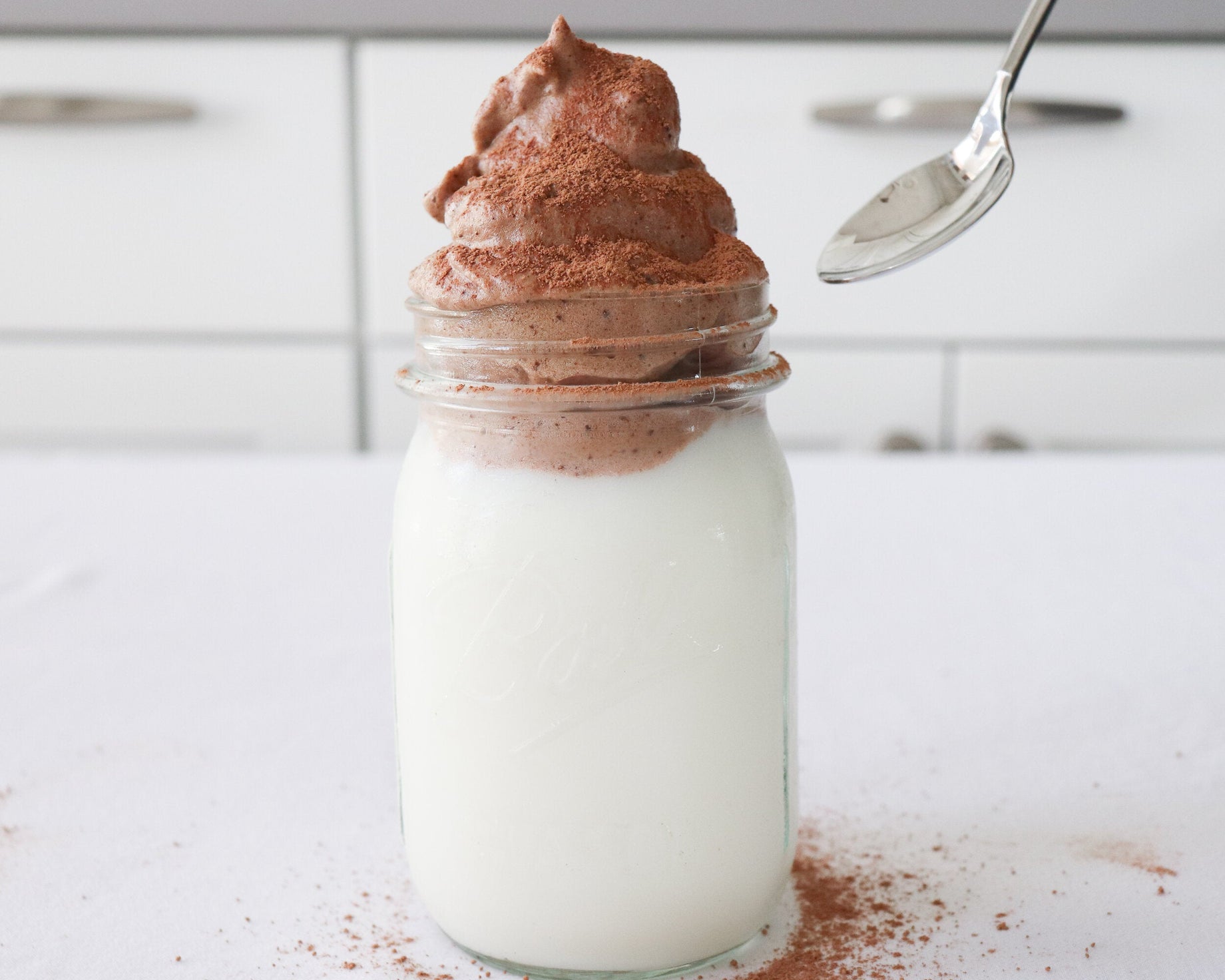
Fitness-minded consumers are using cold brew as a caffeine base for protein shakes and collagen drinks, blending coffee with vanilla or chocolate protein powder, oat milk, or nut milk to create high-energy, low-sugar morning routines.
Instead of choosing between coffee or a shake, they’re combining both.
Recipe-driven drinks and hybrids
Cold brew is increasingly used as an ingredient inside other beverages, from “dirty chai” lattes and spiced iced drinks to coffee-tonics, mocktails, and dessert-style iced coffees.
Because it’s shelf-stable and easy to measure, it behaves more like a syrup or extract than a finished beverage.
Culinary and dessert applications
Bakers, chefs, and home cooks are using cold brew to flavor ice cream, tiramisu, frostings, glazes, and sauces, anywhere a clean coffee note adds depth without bitterness or excess liquid.
In these contexts, cold brew isn’t the star of the show. It’s the underlying layer that makes everything else better.
That’s the real shift.
Cold brew is becoming something you keep on hand, not for one specific drink, but for whatever you’re creating next.

What “instant” actually means now
For a long time, “instant” meant lower quality.
Today, it increasingly means something else: friction removed.
Not less care.
Not less craft.
Just fewer obstacles between intention and experience.
In other words, instant is no longer a shortcut.
It’s a system.
That’s why you now see cold brew used in places it never used to be: fitness routines, baking recipes, office desks, and even cocktails. The product didn’t just change form — it changed function.
The quiet economics of this shift
When something becomes infrastructure, people start evaluating it differently.
Not “Is this a treat?”
But “Does this make sense to keep?”
Not “Is this special?”
But “Is this reliable?”
Cost-per-use, waste, shelf life, and versatility suddenly matter more than novelty.

A brief word about our approach
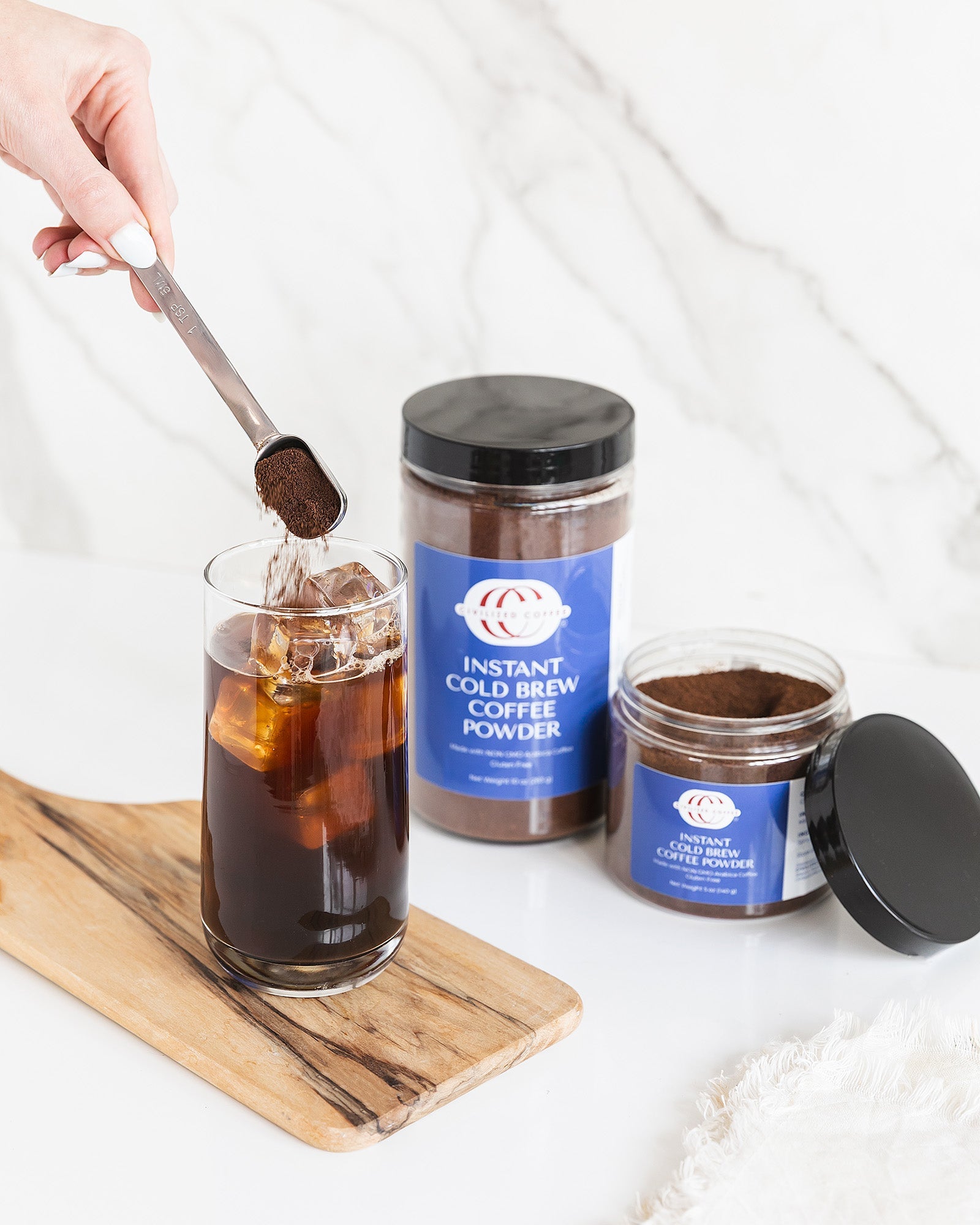
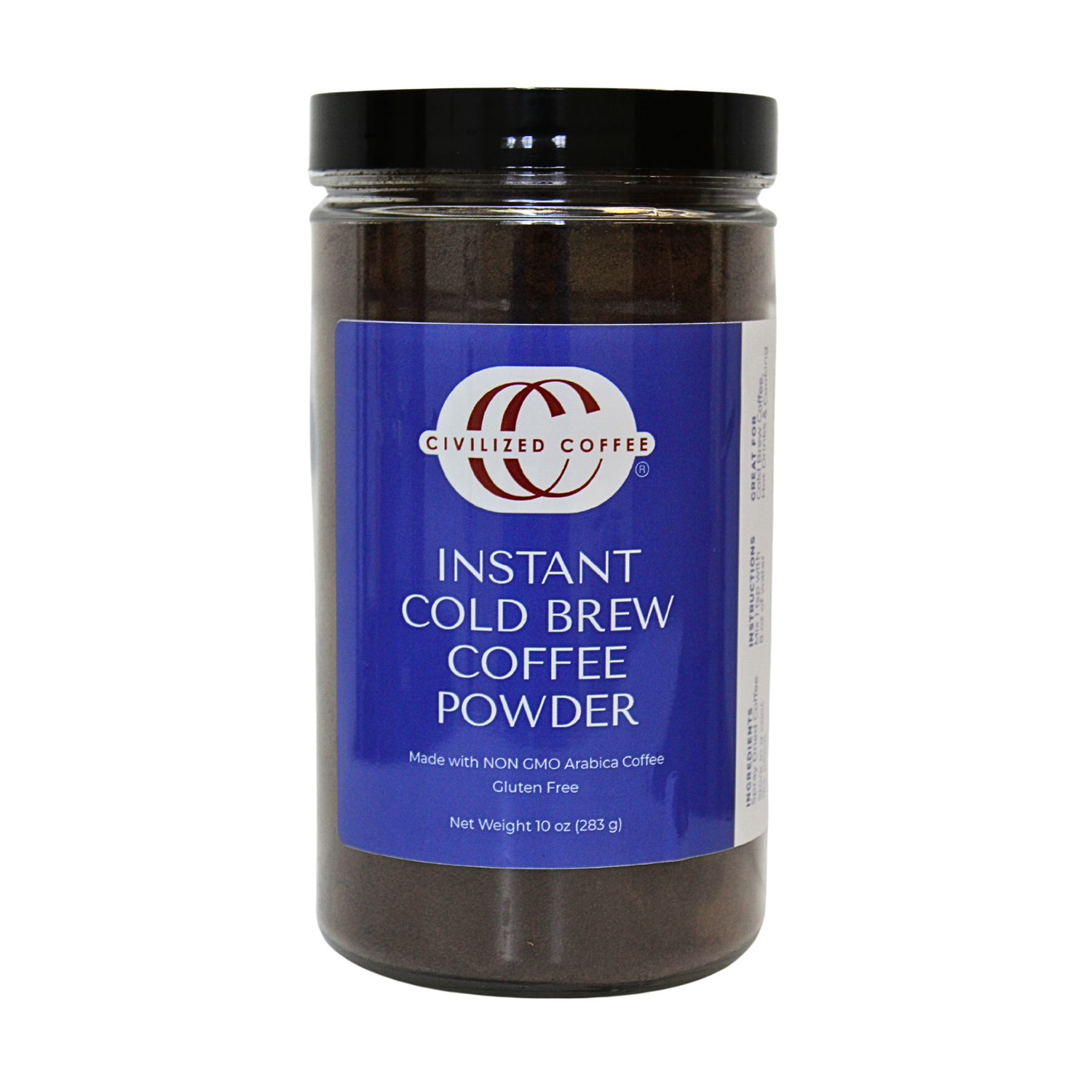
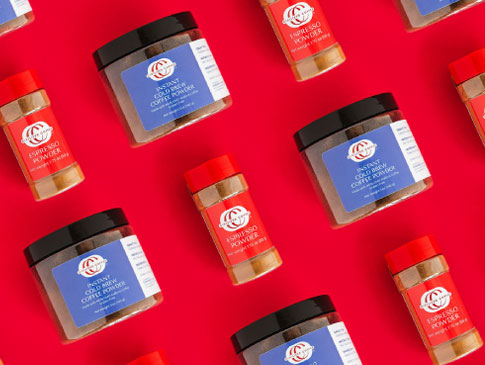
At Civilized Coffee, we built our Instant Cold Brew around this shift.
Not to make something faster, but to make something usable.
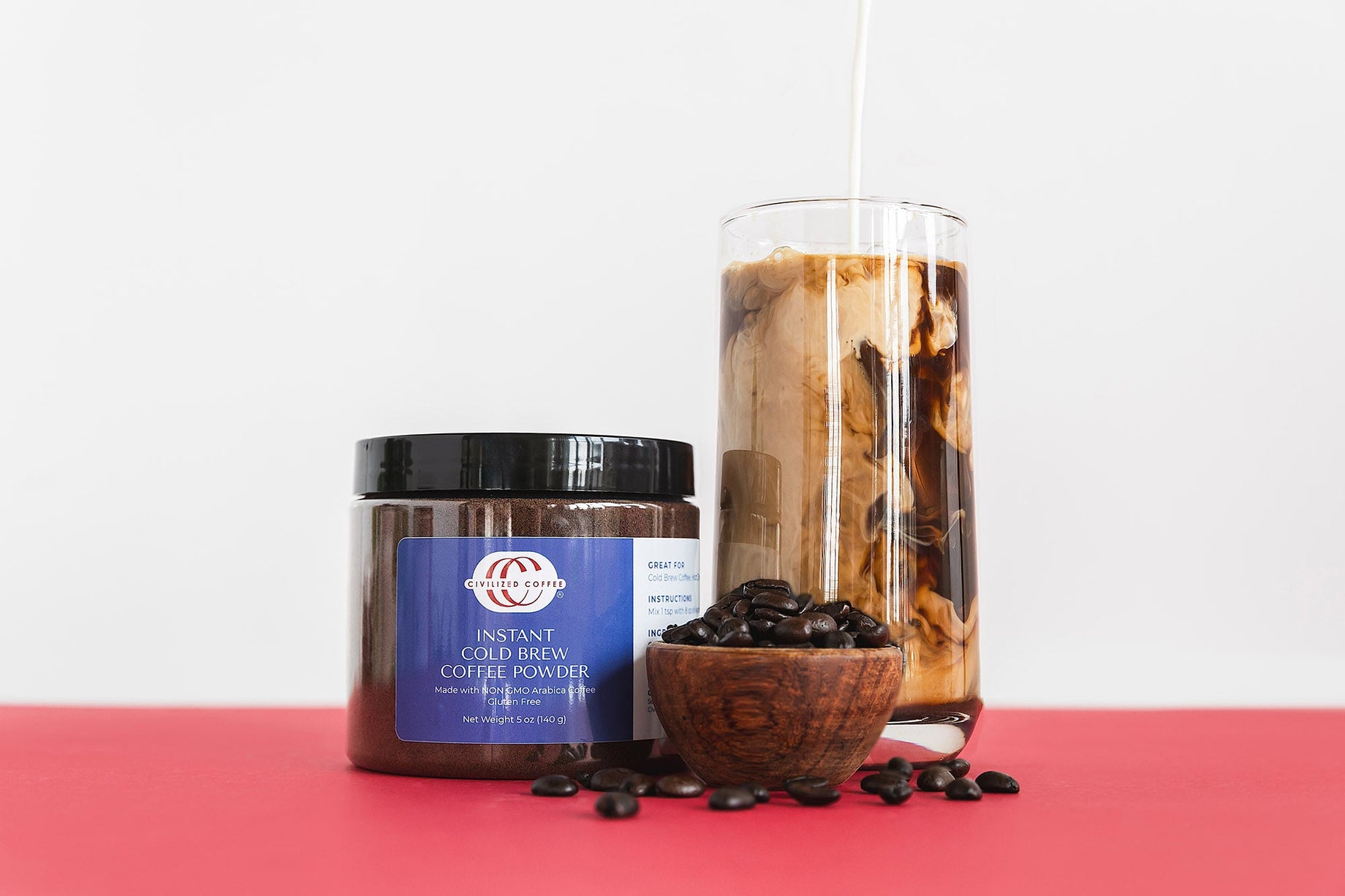
We start by brewing coffee cold, never hot. Then we carefully dry that brewed coffee into a shelf-stable form that preserves the smooth flavor profile and caffeine content of true cold brew. The result is something that behaves like cold brew, tastes like cold brew, and fits into modern life like an ingredient.
That approach isn’t about winning a category. It’s about aligning with how people actually live now.
Why this matters
This shift, from ritual to routine, from drink to ingredient, may not feel dramatic. It’s not loud. It doesn’t announce itself.
But it’s meaningful.
It changes who cold brew is for.
It changes when it’s used.
It changes how often it’s enjoyed.
And quietly, it changes what cold brew is.
Not just a beverage but a building block.
Civilized Coffee · The Art of Instant™