
How Espresso Powder Makes Chocolate Taste Even More Chocolatey
Chocolate and coffee are natural partners in baking. But adding espresso powder to a chocolate dessert doesn't necessarily mean you're trying to make it taste like coffee.
A small amount of concentrated espresso powder can deepen and intensify chocolate flavor without adding extra liquid to a recipe. That's one reason espresso powder has become a useful pantry ingredient for brownies, cakes, cookies and other chocolate desserts.
For this month's Civilized Coffee Application Guide, we're putting that idea into practice with Chocolate Crinkle Cookies with Espresso Powder based on the classic America's Test Kitchen Chocolate Crinkle Cookie recipe and enhanced with real-world baking notes from Daniel, a member of the Civilized Coffee community.
Why Add Espresso Powder to Chocolate Cookies?
Espresso powder brings concentrated roasted coffee flavor to a recipe without requiring brewed coffee or another liquid ingredient.
When combined with cocoa and unsweetened chocolate, its role is primarily to deepen the chocolate flavor.
As Daniel told us after making these cookies:
“The espresso powder really intensifies the chocolate.”
That's exactly what we're looking for here. These are still chocolate crinkle cookies not coffee cookies.

Chocolate Crinkle Cookies with Civilized Coffee Espresso Powder
Makes approximately 22 cookies
Ingredients
- 1 cup all-purpose flour
- 1/2 cup unsweetened cocoa powder
- 1 teaspoon baking powder
- 1/4 teaspoon baking soda
- 1/2 teaspoon salt
- 1 1/2 cups packed brown sugar
- 3 large eggs
- 4 teaspoons Civilized Coffee Espresso Powder
- 1 teaspoon vanilla extract
- 4 ounces unsweetened chocolate, chopped
- 4 tablespoons unsalted butter
- 1/2 cup granulated sugar, for coating
- 1/2 cup confectioners' sugar, for coating
The underlying ingredient proportions and method are based on America's Test Kitchen's Chocolate Crinkle Cookies; publicly available reproductions of the recipe list the same core formulation and approximately 22 cookies.
Instructions
1. Prepare the oven and pans.
Heat oven to 325°F Line two baking sheets with parchment paper.
2. Mix the dry ingredients.
Whisk together the flour, cocoa powder, baking powder, baking soda and salt in a medium bowl.
3. Mix the wet ingredients.
In a large mixing bowl, whisk together the brown sugar, eggs, Civilized Coffee Espresso Powder and vanilla.
4. Melt the chocolate and butter.
Combine the unsweetened chocolate and butter in a microwave-safe bowl. Heat gently in short intervals, stirring between each, until melted and smooth.
5. Make the dough.
Whisk the melted chocolate mixture into the egg and brown sugar mixture. Fold in the dry ingredients until no dry streaks remain.
6. Don't skip the rest.
Let the dough sit at room temperature for at least 10 minutes. The mixture will become noticeably firmer and easier to portion. This was one of Daniel's most useful observations from making the recipe himself, and the 10-minute rest is also part of the published method.
7. Prepare the coatings.
Place the granulated sugar and confectioners' sugar in two separate bowls.
8. Portion and coat.
Scoop approximately 1 ounce of dough per cookie. A #30 ice cream scoop works especially well.
Roll each portion first in granulated sugar and then generously in confectioners' sugar.
Daniel's tip: Cereal-sized bowls make coating easier than flat dishes. Spoon the sugars over the dough balls rather than chasing them around the bowl.
9. Bake.
Arrange the cookies on the prepared baking sheets and bake until puffed and cracked while the centers remain soft, approximately 12 minutes. The published method recommends baking one sheet at a time and rotating it during baking.
10. Let them finish on the pan.
Don't wait for these cookies to look completely firm in the oven. Daniel found that they can appear slightly underdone when they come out but develop their final texture and thickness while cooling.
Let them cool completely on the baking sheet.
Daniel's Advice from the Civilized Community
Daniel gave us one piece of advice before anything even goes into a bowl:
“Empty the dishwasher and the sink.”
He's right. This isn't a one-bowl cookie.
Expect to use roughly five bowls: one for melting the chocolate and butter, one for the dry ingredients, a large bowl for the wet ingredients and final dough, and two smaller bowls for the sugar coatings.
A little preparation before starting makes the process considerably easier.
His other takeaways:
- Give the finished dough its full 10-minute rest before deciding it's too soft.
- A #30 scoop makes convenient approximately 1-ounce portions.
- Deep bowls make the two-stage sugar coating easier and neater.
- Don't rely on the appearance of the center alone to determine doneness.
- About 12 minutes worked well in his kitchen, with perhaps another minute if needed.
- Allow the cookies to finish setting as they cool.
That's exactly the kind of practical advice that's hard to get from an ingredient list alone.
How Much Espresso Powder Should You Use?
For this recipe, we recommend 4 teaspoons of Civilized Coffee Espresso Powder, matching the amount used in the original formulation.
Espresso powder can be adjusted in many recipes depending on how noticeable you want the coffee character to be. For chocolate desserts, a smaller quantity can work primarily as a chocolate enhancer, while increasing the amount can make the espresso flavor itself more apparent.
Civilized Coffee Espresso Powder contains naturally occurring caffeine, so keep that in mind when serving espresso-enhanced desserts, particularly to children or anyone sensitive to caffeine.
What's the Difference Between Espresso Powder and Brewed Espresso in Baking?
One of the advantages of espresso powder is concentration without extra liquid.
Adding brewed espresso changes the liquid balance of a cookie, cake or brownie recipe. Espresso powder can be incorporated directly with the other ingredients, allowing you to add concentrated coffee flavor without changing the recipe's moisture in the same way.
Civilized Coffee Espresso Powder is made from 100% Colombian Arabica coffee and is finely powdered for easy incorporation into baking and beverage applications.
More Ways to Bake with Espresso Powder
Chocolate Crinkle Cookies are only one application.
Once you have a jar of Civilized Coffee Espresso Powder in the pantry, try it in our existing recipes for:
Fudgy Espresso Brownies
Espresso powder and chocolate are natural partners when you want a deep, rich brownie.
Outback-Style Sourdough Brown Bread
Espresso powder isn't limited to desserts. Our brown bread recipe demonstrates another baking application.
Classic Tiramisu
A classic application where coffee isn't hiding in the background. It's part of the experience.
Bake More with Grande
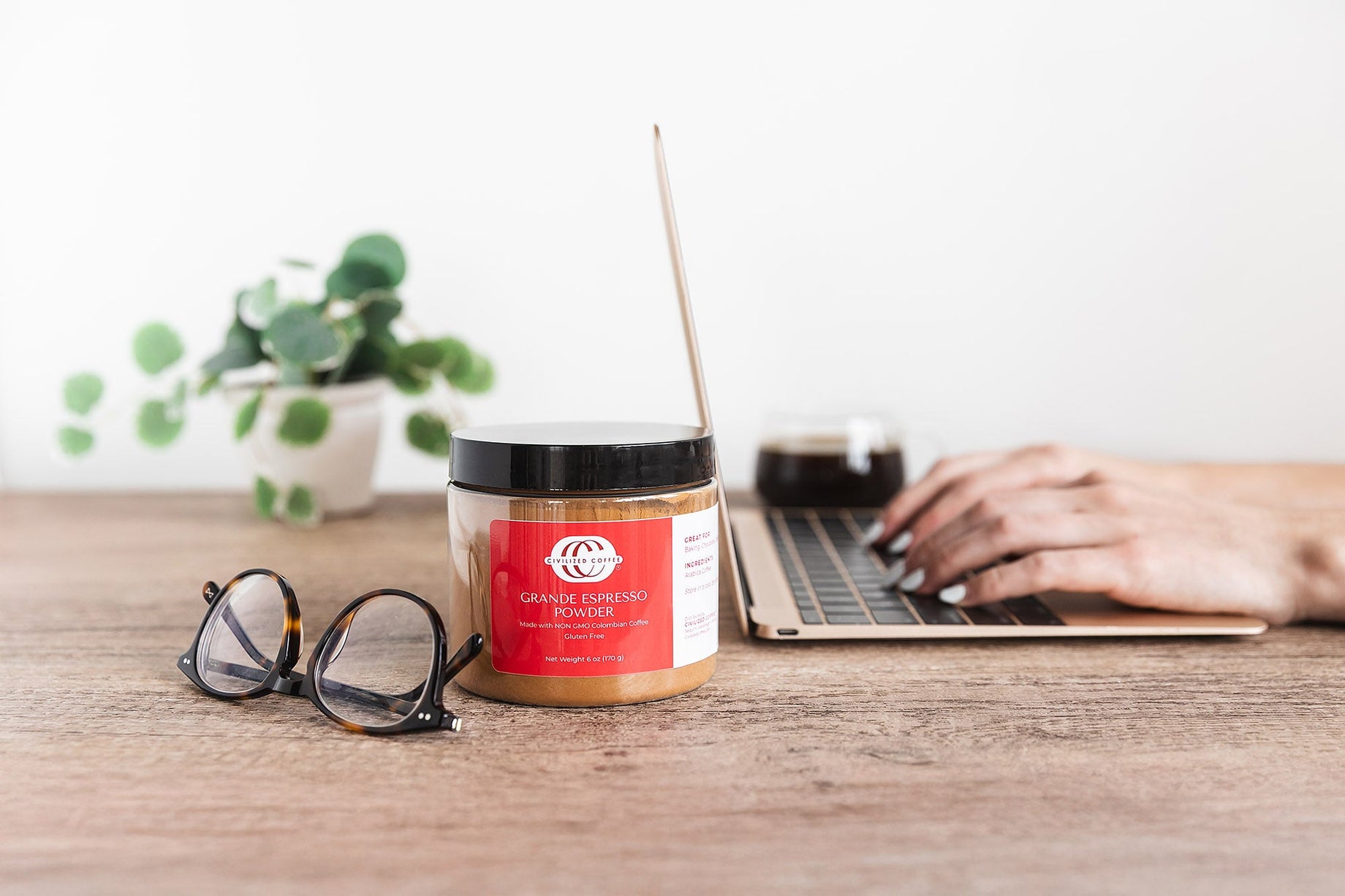
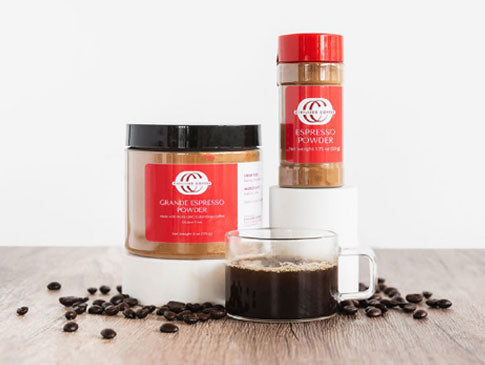
Civilized Coffee Grande Espresso Powder 6 oz gives home bakers a larger pantry size for cookies, brownies, breads, tiramisu and other recipes.

One Ingredient. More Possibilities.
That's really the point of October's Application Guide.
You don't need to buy Civilized Coffee Espresso Powder for one recipe.
Use it to intensify chocolate. Use it in cookies and brownies. Experiment with breads and desserts. Or dissolve it when you actually want espresso flavor front and center.
And sometimes the best baking advice doesn't come from another recipe. It comes from someone who has already made the cookies.
Thank you to Daniel from the Civilized Coffee community for sharing what he learned in his own kitchen.
The Art of Instant™